Author Archives: Amber Tennant

Veterinary nurse training centre at Willows in Solihull

The College of Animal Welfare launches Veterinary Nurse Training at Willows Veterinary Centre and Referral Service in Solihull

The College of Animal Welfare (CAW), one of the UKs most established veterinary nurse training providers, has set up a new satellite training centre based at Willows Veterinary Centre and Referral Service in Solihull!

Willows Veterinary Centre and Referral Service is one of Europe’s leading Specialist small animal referral centres, experienced in delivering Specialist pet healthcare for over 30 years. The expansion means aspiring veterinary nurses in Solihull and the surrounding areas, can now apply to study at a state-of-the-art hospital with world class veterinary referral facilities.

Frank Taylor, Vice Principal Veterinary Studies at The College of Animal Welfare, said: “We’re delighted to be able to offer training from such a highly respected veterinary organisation. Willows is led by internationally renowned Specialists committed to providing the very highest standards of veterinary care.” He added: “It is the perfect environment for budding veterinary nurses to learn the skills required to become a successful Registered Veterinary Nurse.”

Applications are now open to study the VetSkill Level 3 Diploma in Veterinary Nursing at CAW Solihull starting in September.

The course is open to those who wish to undertake the Diploma as a standalone qualification or to train as an apprentice using the Apprenticeship Standard in Veterinary Nursing. The academic course will run on a day release basis for two years, with teaching starting in the week commencing 7th September.

Tom Reilly, head of clinical support services for Willows, said: “In working in conjunction with the College of Animal Welfare and launching a new satellite training centre at Willows, it will not only train and qualify our own nurses on site but also help to train student nurses from fellow Linnaeus practices and SVNs from our referring veterinary practices.

“This is a fantastic opportunity for Willows to enter the educational side of veterinary nursing, to grow our own students, to influence nursing for the future generations and to showcase the hospital to our referring practices via their nursing teams.

“It’s a huge step forward and a vital part of our nursing strategy within the hospital and within Linnaeus to future-proof our valued team and input to the future of veterinary nursing.”

Due to the risks associated with the COVID-19 pandemic, all student veterinary nurses starting their programme in September will attend classes via the college’s virtual teaching platforms, with sessions also being recorded and made available to students afterwards. Once it is safe to return to centre, lectures are scheduled to be held at Willows on Tuesdays. The next possible return date for face-to-face lectures under consideration by the college is January 2021.

Places on the course are limited, so students and apprentices are advised to apply as soon as possible. For more information about the programme visit www.caw.ac.uk/vn or call 01480 422060.

Sleeping dogs

Got your GCSE results and interested in working with animals?

If you’ve received your GCSE results and are interested in working with animals, take a look at some of the training options we provide at The College of Animal Welfare that could help you achieve your career goals…

Veterinary Nursing Qualifications

If you love animals and are concerned with animal welfare; then becoming a veterinary nurse could be the ideal route for you.

Veterinary nurses assist veterinary surgeons in practice and undertake a range of important duties. For example:

  • Preparing animals for surgery and performing minor surgical procedures
  • Monitoring anaesthetised animals
  • Nursing sick animals and administering medication
  • Taking x-rays and carrying out diagnostic tests
  • Advising owners on the health and welfare of their pets
  • Taking bookings, payments and completing necessary paperwork
  • Running nurse clinics, such as diet, worming and grooming consultations

The main route into veterinary nursing at CAW for those with 5 GCSEs at grade 9-4 (or grade C or above) including English Language, Mathematics and a Science subject, is our Level 3 Diploma in Veterinary Nursing. You can study this Diploma as a standalone qualification or train as part of an apprenticeship. Completion of the course qualifies students to apply for professional registration as a Registered Veterinary Nurse (RVN). For more information on eligibility criteria please visit our website.

Alternatively, you could continue to study A-Levels with the view to apply for one of our veterinary nursing degree programmes.

Veterinary Care Training

For those that would like to focus on animal welfare duties outside of surgery within a veterinary practice – such as exercising, grooming and feeding hospitalised animals, monitoring and providing supportive care to inpatients and cleaning and preparing accommodation for animals – training as a Veterinary Care Assistant would be an ideal career path!

Veterinary Care Assistants work alongside veterinary surgeons and nurses in order to provide vital nursing care of small animal patients. Our Level 2 Diploma for Veterinary Care Assistants and Level 2 Certificate in Veterinary Care Support are excellent courses covering the underlying knowledge needed to thrive in a fast-paced veterinary care environment. There are no academic entry requirements, however you do need to be working or volunteering in a suitable veterinary practice for a minimum of 10 hours per week. 

Successful completion of either of these qualifications, in combination with a full level 2 qualification in Maths and English Language (e.g. GCSE Grade A*-C or Level 2 Functional Skills) will allow you to apply for the Level 3 Diploma in Veterinary Nursing or Advanced Apprenticeship in Veterinary Nursing programmes, subject to employment in a veterinary practice that is approved to train veterinary nurses (a TP or aTP).

You can also study veterinary care and learn on-the-job by undertaking our Veterinary Care Support Level 2 Apprenticeship.

Animal Care Training

Animal care training is suitable for those looking to find employment in animal care environments outside of veterinary practice. For example, this could be a zoo, stables, rescue centre, cattery or kennels. Depending on the role that you choose to undertake, your duties could range from cleaning, feeding and medicating animals, to educating the public on animal welfare and preparing animals for rehoming.

Our animal care qualifications allow students to gain on-the-job training whilst studying. They will cover a variety of animal care practices depending on your level of experience within the industry. For more information on careers within animal care you can visit our online career profiles.

Dog Grooming  

Dog Grooming is the perfect career choice if you’re passionate about dogs. As a dog groomer you will bathe, dry and style dogs to ‘breed standard’ or customer specification. Not only this, you’ll carry out basic health checks and identify parasites and signs of infection. For more information about a career as a dog groomer you can download our careers guide.

Our Level 2 Dog Groomer Apprenticeship can get you started on the right foot and give you the confidence to undertake a range of bathing and grooming techniques. 

Careers With Animals Day 

If you want to work with animals and are looking to gather more information about the different options available, you can come along to our free, Virtual Careers With Animals Day this October. You’ll be able to listen to a variety of career talks from key organisations in the veterinary and animal care industry, ask questions and gain advice. You can view the talk timetable and the last year’s career talks on our website. You can also have a look at a range of animal career profiles on our website.

Remember, there are many sources of help and guidance available if you’re unsure about what to do next, and no matter what your results may be, there will always be a new opportunity waiting for you around the corner.

Dog Grooming for NHS Donations

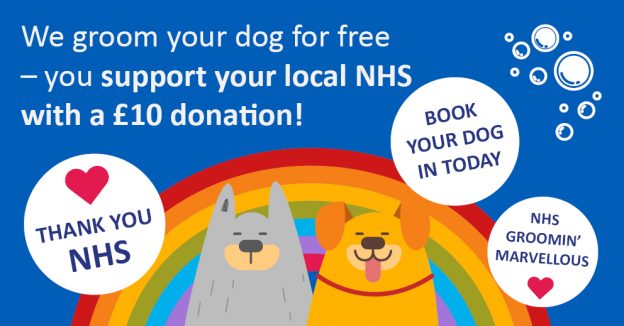
We groom your dog for free – you support your local NHS with a £10 donation!

This month, we want to give something back to our groomin’ marvellous National Health Service (NHS), and all the brave and dedicated staff who work within it.

As such, all dog grooms at our grooming salons in Wigan and Leeds will be free of charge throughout August, in return for a minimum £10 donation to the NHS. We will collect this donation at the time of the groom, and donate it at the end of the month.

To take advantage of this offer, choose your preferred location and complete the “request a call back” form, and we will contact you to book an appointment. This offer is subject to availability and spaces will fill up fast, so hurry!

Recruit an apprentice in the next 6 months and save up to £3,000!

If you’re a growing business and looking to expand your team, have you considered taking on an apprentice? With the National Minimum Wage for Apprentices being just £4.15* per hour, apprenticeships can be an affordable way to take on new staff whilst providing a training opportunity for someone keen to start a career in your industry.

What’s more – the government has recently announced some new financial bonuses for employers who hire apprentices over the next six months…

Gain an extra pair of hands for less

From August 2020 to January 2021, businesses that recruit a new apprentice aged 16 to 24 will receive a £2,000 incentive from the government towards the cost of training, while those that hire new apprentices aged 25 and over will be paid £1,500.

These payments will be in addition to the existing £1,000 incentive the government already provides for new 16-18 year old apprentices, and those aged under 25 with an education, health and care plan where that applies.*

This means that if you hire a 16 to 18 year old apprentice in the next 6 months, you receive £3,000! If you also have less than 50 contracted employees, the apprenticeship fees for those aged 16-18 years of age will be fully funded!

Discover more about what makes apprenticeships great…

Cut your recruitment costs

Boosting your team with an apprentice is a great way to bypass the added recruitment costs associated with outsourcing or recruiting skilled labour. You can fill your skills gaps by investing in the long term development of an apprentice, growing your own motivated, talented and loyal employee.

What’s more – you can save even more on recruitment costs when you take on an apprentice with The College of Animal Welfare. As part of the recruitment process, we can advertise, filter applications for you and even arrange your interviews if you wish – all for FREE! Take a look at the recruitment process

Don’t lose your apprentice to college time

Many of our apprenticeship programmes are work-based, which means you will not lose your apprentice to college time. Instead, all their learning will be done in the work place with support from a Work-based Learning Assessor who will visit your apprentice on a regular basis, and provide telephone and email support between visits. Apprentices also no longer have to be full-time employees and can undertake an apprenticeship part-time!

Grow an employee who meets your business needs

Our apprenticeships can be tailored to a specific job-role and contain a list of all the skillsknowledge and behaviours needed for learners to be job-ready upon completion. This allows you to tailor your apprentice to specific business objectives and needs. View our infographic to discover more benefits of apprenticeship training

Specialist training with a reputable provider

The College of Animal Welfare is one of the UKs leading providers of veterinary nurse and animal care training, running from four centres across the UK. We are very proud of the fact that all of our staff delivering our apprenticeship programmes have significant industry experience and knowledge under their belts; they all share a common passion for pushing the profession forward. Your apprentice will learn all the skills and knowledge needed to drive your business forward.

Talk to us about apprenticeship training today

If you would like to speak to a member of our team directly regarding our apprenticeship training and the financial incentives available, please contact us at admin@caw.ac.uk or on 01480 422060. You can view all of our apprenticeship programmes on our website.

52 week placement limits for non-employed/placement students

We recently made the decision to change the planned amount of placement weeks that students on VN Diploma programmes are required to complete, limiting this to a maximum of 52 weeks over the duration of the training programme. During which the student must complete their practice based skills training to the required standard (i.e. meet the RCVS Day One Skills and Competences).

In making this change the day release programme is no longer offered as an option for placement students due to training weeks being impacted by the college day each week i.e. there would be four training days in practice each week as opposed to five. With the block release programme, the placement blocks are mapped out to ensure that these are optimised as fully as possible and to also avoid clashes with bank holidays.

If a student does not complete their skills training or achieve the required standard within the 52 weeks it may be possible to arrange additional placement time but this is by exception and should not be necessary. As with the 52 weeks of placement designed to be within the programme, exceptional placement would also be unpaid unless the employer chooses to employ the student.

We have previously published legal advice on our website that we have received with regards to National Minimum Wage which whilst confirming the view that placements that are longer than 52 weeks are not subject to National Minimum Wage regulations the advice also notes that it is an untested area in law and as such each employer must decide for themselves what their approach will be. Therefore some veterinary practices and corporate groups have implemented policies limiting placements to 52 weeks.

All non-employed/placement students booked to attend placements do so on the understanding between the student and the practice that the placements are unpaid, but if employers wish to do so, then they may pay the students. If the practice chooses to pay the student, then they must comply with the National Minimum Wage Regulations because the student becomes an employee. The College of Animal Welfare do not have any involvement in discussions regarding payment of students and practices are not obliged to pay placement students.

How to Prepare for an Interview at a Veterinary Practice Featured Image

How to Prepare for an Interview at a Veterinary Practice

Entry onto many of our veterinary nursing courses, such as our Level 3 Diploma in Veterinary Nursing, require you to gain employment or work experience in a veterinary practice. 

As veterinary nursing is a popular and competitive profession to join, placements and job opportunities for aspiring veterinary nurses can sometimes be hard to come by. This means it is essential to be prepared for any interviews you secure, and do all you can to stand out against the competition – whether you’re interviewing for a placement, job or work experience.

To help you, we have gathered together some advice:

Before your interview, have a think about…

Your Chosen Veterinary Practice 

Familiarise yourself with the veterinary practice beforehand and know the person you are meeting; company websites are often a great source of information. Showing you have taken the time to find out about the veterinary practice will demonstrate that you are keen and will help prevent any lulls in the conversation.

What course you want to study, and where you want to study it 

If you are attending an interview for a work placement or student veterinary nurse position before applying for a course, make sure you are aware of what your course involves, how long you will be studying for and on which days, and why you want to do the course.

Knowledge of the Veterinary Nursing Industry

Ensure you have an idea of the industry you are going to be working in. For example, if you are attending an interview for a student veterinary nurse position, make sure you are familiar with the workings of a veterinary practice and the veterinary nursing profession as a whole.

Your Skills and Experience

Before you go for your interview have a think about your situation and know what you want to gain from the job, placement or work experience. This will help you to be confident when answering questions that your interviewer may ask you. Some of the things you may want to think about are:

  • What are your long term aims?
  • What does your course entail and how do you plan to tackle it?
  • What previous work experience have you done and what aspects did you like or dislike most?
  • What other transferrrble skills/experience have you gained that will help you on placement?
  • Why do you want to be a veterinary nurse, kennel assistant, dog groomer etc.?

CV and References

Before your interview, we suggest you gather a copy of your CV and references to take along with you in case your interviewer asks to see these.

Presence on Social Media

More and more people nowadays have a presence on social media. Please be aware of your online profile and what you write both pre and post-interview. A lot of information can be publicly accessible and your interviewer may be check up on you online.

Continue reading for advice on how to make a good first impression on interview day…

Pregnancy in Veterinary Practice Featured Image

Pregnancy in Veterinary Practice: Information, Advice & Guidance

If you’re pregnant or planning to start a family soon, you may well be wondering how your pregnancy will affect your life in practice. From telling your employer and understanding your legal rights, to planning for maternity leave and keeping your clinical skills up-to-date – there is lots to think about and this can be a stressful time for mothers-to-be trying to prepare for a new baby at the same time! Read on to find out more information about pregnancy in veterinary practice – including your rights, safety guidelines and tips for life in practice.

Your legal rights

Firstly, it’s important to remember that your employer has a duty of care to you and your baby, and you have many employment rights as a pregnant worker. Gone are the days where it was legal for a woman to be sacked for being pregnant, or demoted and discriminated against for taking maternity leave – so you shouldn’t feel worried about coming forward with your pregnancy.

The following list outlines your maternity rights if you are legally classed as an employee.* It is also worth reading your employer’s maternity policy or staff handbook for protocols specific to your practice.

Provisions to ensure your/your baby’s wellbeing at work

Once an employer is made aware of your pregnancy, they have a responsibility to make provisions to minimise any risks to your pregnancy in the workplace. If there is any risk to your pregnancy that cannot be removed, your employer is required to temporarily adjust your working conditions, or offer suitable alternative work. If neither of these options are possible, you are entitled to paid leave until your maternity leave begins or until it is safe for you to attend work.

Protection against discrimination

Your pregnancy cannot be used against you in disciplinary, redundancy or dismissal decisions. Under The Equality Act 2010 is it unlawful for your employer to treat you unfairly because you’re pregnant, on/have been on maternity leave or have tried to take maternity leave you are entitled to. This means you can take legal action in an employment tribunal if you feel you have been treated unfairly by your practice.

Maternity leave and pay

As long as you give the correct notice to your employer, you are entitled to 52 weeks Statutory Maternity Leave if you’re legally classed as an employee, no matter how long you’ve worked for the company. You don’t have to take 52 weeks if you don’t want to, however you must take at least 2 weeks following the birth. Your employment rights (like the right to pay, holidays and returning to a job) are protected during maternity leave.

You may be entitled to either statutory maternity pay, contractual maternity pay or maternity allowance. The legal minimum, provided you meet the criteria required for maternity leave, is stipulated to be 90 per cent of your average weekly earnings before tax for six weeks, followed by an additional 33 weeks of statutory maternity pay (SMP), which is £151.20* per week or a continuation of the previous pay, should it be lower. (*This is correct at the time of publishing. To check current figure please visit gov.uk)

Visit the government website to learn more about statutory maternity pay and leave, including what you qualify for and how to claim it

Shared parental leave and pay

You may be eligible to share parental leave and pay with your partner. Check your eligibility here

Accruing annual leave whilst on maternity leave

Whilst on maternity leave you will accrue paid annual leave (including bank holidays) and are entitled to make use of this at some point. Whether you take this leave before or after your maternity leave is a conversation you need to have with your practice.

Right to return to work after maternity leave

If you take maternity leave for six months or less, provided the job still exists you have the right to return to your job on the same terms and conditions as before you left. If you choose to take maternity leave for more than six months, it is legal for you to be offered a similar job if it is not practical for you to return to your old job (provided terms and conditions are just as good).

Alternative work in the event of redundancy

If a redundancy situation arises, you are entitled to another suitable vacancy if one is available. It is only if there is no other suitable work that you can be made redundant. However, the reason for the redundancy has to be genuine. Your pregnancy or maternity leave cannot be the reason for the redundancy.

Understanding in the event of pregnancy-related illness or miscarriage

If you are unable to attend work because of pregnancy-related illness, this illness is not allowed to be counted towards any review or trigger points in your practice’s absence policy. If, in the four weeks before your baby is due, you are off work with a pregnancy-related illness, maternity leave will begin automatically on the following day.*Additionally, if you’re off work sick because you’ve had a miscarriage your sickness absence should be treated in the same way by your employer as if you were off because of pregnancy-related illness.

Time off for attending antenatal appointments

If you are an employee you are entitled to reasonable time off, with pay, for antenatal appointments made on the advice of a registered medical practitioner.

Support in the event of premature birth or a stillborn baby

It’s difficult to think about the possibility of your baby being born prematurely or giving birth to a stillborn baby. Nevertheless, it is important to know that your employer is required to offer appropriate support if this happens. If your baby arrives early, maternity leave will automatically start the day after the birth. If your baby is stillborn after the twenty-fourth week of pregnancy, or if the baby is born alive at any point (even if your baby later passes away) you are still entitled to maternity leave and any maternity pay that you qualify for.

Free prescriptions and dental care

All prescriptions and NHS dental treatment are free while you’re pregnant and for 12 months after your baby’s due date. Children also get free prescriptions until they’re 16. To claim free prescriptions, ask your doctor or midwife for form FW8 and send it to your health authority.

Right to parental leave and time off in emergencies

Parental leave allowance means you are able to take up to 18 weeks of unpaid leave to aid your new baby’s welfare (a maximum of four weeks per child, per year). In most cases, this has to be taken before your child’s 5th birthday. You are also allowed time off to deal with emergency situations affecting your child, with no stipulated time limit – although be aware that whether this is paid or unpaid is left at the employer’s discretion.

If you are self-employed, an agency or zero-hour contract worker, visit the Maternity Action website for further information about your maternity rights.

*Please be aware this information is correct at the time of publishing and will be updated intermittently. However, please use the additional resources at the bottom of this article to verify the most up-to-date information.

Continue reading for advice about announcing your pregnancy, assessing risks to pregnancy in veterinary practice and returning to work after maternity leave…

Apprenticeship Frameworks Update

Apprenticeships update: All apprenticeship frameworks to be withdrawn from 1 August

In 2015, the government announced that as part of their efforts to improve apprenticeship training, all apprenticeships would be moving from frameworks onto standards as of 1st August 2020. To meet this goal, the Education Skills Funding Agency (ESFA) will be ending enrolment on all framework apprenticeships from 31st July 2020.

As we move closer towards this date, apprentices and employers may have questions about how the switchover may affect them. Here, we’ve covered the main points you should be aware of and provided some more information about what apprenticeship standards are all about:

Why is this happening?

The switch from frameworks to standards is part of a wider government response to employer demand for a training solution that is current, relevant and fit for purpose. The purpose of the behind these changes is to make apprenticeships more employer-led and improve on-the-job learning.

How will this change affect current apprenticeships at The College of Animal Welfare and CAW Business School?

The switch over from frameworks to standards means that from 1st August 2020, you will no longer be able to enrol on the following apprenticeship programmes we offer:

  • Advanced Apprenticeship in Work-based Animal Care
  • Intermediate Apprenticeship for Nursing Assistants in a Veterinary Environment (VCA)
  • Advanced Apprenticeship in Customer Service
  • Intermediate Apprenticeship in Business Administration
  • Higher Apprenticeship in Business Administration
  • Intermediate Apprenticeship in Medical Administration

If you or a member of your staff have already started on one of these apprenticeship frameworks, there’s no need to panic. Any framework apprenticeships started before the 1st August will still be eligible for completion and the qualification will still be valid, even if you do not finish until after the cut-off point.

If you or a member of your staff were planning on enrolling onto one of these apprenticeship frameworks, we would encourage you to have a look at the apprenticeship standards we offer:

Make sure to keep an eye on our blog or follow us on our social media for updates about new standards we may offer as they become available:

[ss_social_follow networks=”facebook;twitter;instagram;pinterest” columns=”4″]

What do I need to know about apprenticeship standards?

They are designed by employers, for employers

Standards have been developed in conjunction with groups of employers known as “trailblazers”. They can be tailored to a specific job-role and contain a list of all the skills, knowledge and behaviours needed for learners to be job-ready upon completion.

Standards offer lots of choice for students and employers

Every job which can be entered via an apprenticeship will have its own standard (there were around 250 apprenticeship frameworks under the old system, compared with over 600 standards.) What’s more – standards have been designed for jobs which require differing levels of skills and knowledge.

Robust assessment methods are embedded into standards 

In order to finish their apprenticeship, learners on standards will need to complete an End-Point Assessment (EPA) to show they can perform all the responsibilities their job role demands and they have gained the skills, knowledge and behaviours outlined in the standard.

Apprentices must spend 20% of their time training “off-the-job”

All apprentices must spend 20% of their working time allocated to ‘off-the-job-training’. This can include time being allocated to work on activities such as reflective logs or portfolio tasks, or perhaps undertaking a research project or reviewing working processes. There are many ways in which you can use this allocation to the advantage of both the apprentice and the business. Download our Off-the-Job Training Guidance for Apprentices

Employers can benefit from reduced fees

The government have agreed to fund 95%* of the apprenticeship fees for small employers (those with an annual payroll of less than £3 million). Additionally, if you have less than 50 employees and your apprentice is under 19 years of age there are no fees to payand you’ll get a £1,000 grant If you are a large employer (with an annual payroll bill of more than £3 million) the apprenticeship fees are payable via the apprenticeship levy money in your digital account. Please visit our individual course pages for further information on fees.

Further Information:

If you have any further queries about the switch over from an employer or learner perspective, please don’t hesitate to get in touch with us on 01480 422060 or admin@caw.ac.uk.

*Updated inline with the funding rate change on 1 April 2019

Equine Apprenticeships

Turn your passion for horses into a career with an Equine Apprenticeship

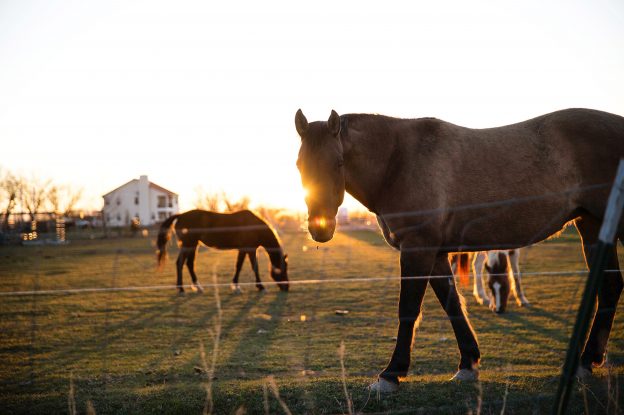
Are you passionate about horses and love being outdoors? Perhaps you own a horse, or ride horses in your spare time? If so, then a career in the equine industry could help you turn your hobby into a living and gain a job you’re really passionate about.

Our Equine Groom (Level 2 Apprenticeship) is designed for people who are new to a horse care role, and covers the key skills and knowledge needed to pave the way to a successful career in the equine industry. Not only this, you’ll gain lots of practical experience working with horses!

Is horse care for you? Download our FREE careers guide and find out…

Working with horses is incredibly rewarding and there are many career options in the equine industry, including jobs such as a Horse Groom, Riding Instructor, Racer, Equine Veterinary Nurse…and many more! Download the booklet here

Home Dog Grooming Blog Post Image

Home Dog Grooming: Top Tips and Advice

As it has been impossible to visit the groomers over the past few months, and we’re only just beginning to adjust to the “new normal” as lockdown eases, grooming your dog may have fallen off your radar. You may even think that dog grooming isn’t that important—after all, his coat looks to be in okay shape, so why bother?

Grooming goes way beyond a quick swipe with a brush. Grooming is about looking after your whole dog – it’s skin, eyes, ears, nails, teeth, and yes, coat. Imagine if you put off washing and combing your hair for weeks or even months—yikes! Understandably, you’d feel grubby and uncomfortable…and it’s no different for your dog! If not groomed regularly, some dogs may also develop painful mats and skin problems or suffer from overgrown nails.

Grooming is an essential part of caring for your dog and by maintaining your dog’s coat in between visits to the groomers, you will ensure that the coat and skin is kept in good condition all year round.

Now more than ever is a great time to get clued-up on home dog grooming, because they’re woof it!

From scruffy schnauzers, to tangled Terries – check out our top tips and information we’ve put together about how to pamper your pooch at home and maintain those lockdown locks safely.

Understand your dog’s coat requirements

Home dog grooming begins by getting to know your dogs’ coat and skin by routinely checking it. This is really important, as a change in either can be the first time that you are aware that there could be an underlying health problem. Dog grooming treatments and techniques can also vary greatly depending on coat types.  For example, you should be mindful that long-haired or double coated breeds require extensive maintenance. “Long hair don’t care” is not a good mantra for dogs with these coat types. Without regular brushing, these dogs can quickly develop painful mats on various parts of their bodies. Check out our visual gallery for more information on coat types:

[ngg src=”galleries” ids=”5″ display=”basic_imagebrowser”]Fun fact: Different dog breeds have different coat styles, and these usually stem from the jobs that dogs have done in the past. For instance a fox terrier will have protection around the muzzle and front of the face, as they were used to keep foxes at bay, this hair would protect their face.

Don’t over bathe your dog

Only give your dog a bath when it’s really needed, such as if they’ve gotten smelly or dirty during a muddy walk. Washing dogs’ coats strips them of their natural oils and can cause skin and temperature-regulating issues if overdone. What’s more, don’t used perfumed or scented human bath products, as these can irritate your dogs’ skin or nose, and always pat your dog dry with a soft towel rather than rubbing, in order to prevent tangles and matts.

Check your dog for ticks after walks

After taking your dog for a walk, it’s a good idea to check them for ticks.  You can do this by moving your hands over their body to check for any unusual small bumps, particularly around their ears, head, neck, groin, armpits and feet. Ticks are big enough to spot and regular grooming helps to remove/discover them.

Generally, grooming regularly is a good opportunity to look out for parasites and irritants on your dog’s skin. Check our visual gallery to learn more about the kinds of parasites you should look for and how you can prevent and treat these conditions:

[ngg src=”galleries” ids=”6″ display=”basic_imagebrowser”]

Treat your dog with kindness and patience

It’s important to approach any home grooming with empathy. Go slowly and pay close attention to how your dog reacts to what you’re doing. If you spot signs of stress such as trembling, whining, or panting that’s not heat-related, you should take a break if needed. Be sure to make the grooming process a positive experience by giving lots of praise, petting, cuddles and treats. If you treat your dog with kindness and patience, your dog will eventually feel more comfortable with grooming at home.

Choose a reputable, qualified dog groomer

If your dog gets something stuck in its fur that you cannot brush out, you may feel confident enough to snip it out. However, be mindful that many dogs have been injured from amateur groomers making mistakes. It’s important to maintain regular visits to the groomers where possible, and leave expert clipping and cutting to a professional, qualified dog groomer.

As a responsible dog owner, it’s crucial to choose a groomer who is professionally qualified to carry out the care of your loved companion. Look for dog groomers who have undertaken a recognised course. This shows that they have learnt about different grooming techniques, different types of equipment, and how to use it safely. Qualified Groomers will have learned about parasites, and other diseases and disorders that can affect the health, and coat and skin. They will also have learned to look at body language, and how to handle dogs in their care with consideration and kindness.

The College of Animal Welfare runs three commercial grooming parlours; CAW Grooming School Huntingdon (Cambridgeshire), CAW Grooming School Wigan and Campus Vets and Pets in Leeds (West Yorkshire). We pride ourselves on offering a professional and friendly service at affordable prices to those in the local community. Dogs are groomed by City & Guilds Dog Grooming students under the supervision of experienced and qualified dog groomers. Find out more about our dog grooming services

Follow us on social media for more dog grooming information and advice:

[ss_social_follow networks=”facebook;twitter;instagram;pinterest” columns=”4″]