Author Archives: Amber Tennant

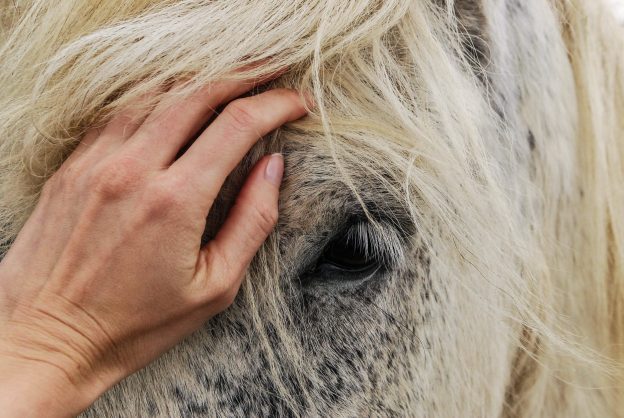
Hand on a horse

We’re expanding our Equine Veterinary Nurse training, and applications are open now!

If you’re passionate about horses and searching for a job doing something you love, we’re pleased to say applications for our Level 3 Diploma in Equine Veterinary Nursing, starting in September 2022, are now open!

In our biggest expansion of equine veterinary nurse training to date, as well as delivering our annual intake from our centre in Huntingdon (Cambridgeshire), this year we’re also offering the option to study from two NEW satellite centres in Lichfield (Staffordshire) and Horsham (West Sussex)! 

Our Level 3 Diploma in Equine Veterinary Nursing will teach you the clinical skills and knowledge needed to prepare you for a successful career as an Equine Veterinary Nurse. Applications for the September intake close on Saturday 6th August, so be sure to submit your application soon!

Apply to start in September

Get the key facts about our Level 3 Diploma in Equine Veterinary Nursing, at a glance…

  • Starting in September 2022
  • 2 year course
  • Weekly virtual college sessions, plus practical skills training blocks from your chosen centre
  • Apprenticeship option available

Download the course infographic

Learn how to gain experience in an equine veterinary practice. As a starting point, you should…

  • Check online job boards
  • Follow veterinary colleges and employers on social media to be the first to see new roles
  • Contact your local veterinary practices directly to enquire about opportunities
  • Attend relevant career events such as Careers With Animals Day

Discover more employment advice

Is Equine Veterinary Nursing the job for you? Find out with our free careers guide…

Our Guide to Equine Veterinary Nursing is the go-to place to learn whether becoming an Equine Veterinary Nurse is the path for you. This guide explains what the role involves, how to start training, what you can do to progress in the job and more!

Get the career guide

[ss_social_follow networks=”facebook;twitter;instagram;linkedin;pinterest”]

Dog Grooming Congress 2 October 2022

You’re invited to Dog Grooming Congress

Save the date because our very first Dog Grooming Congress is coming to your screens on Sunday 2nd October!

Dog Grooming Congress is a one day virtual event exploring all aspects of dog grooming; from the many different responsibilities, to the challenges that come with the role.

Aimed specifically at dog groomers, attendees will get the chance to listen to insightful lectures by expert speakers in the dog grooming industry, and gain valuable knowledge and inspiration to take back to the grooming salon.

  • The Business Side of Pet Grooming
  • Ttouch and it’s Benefits in the Grooming Salon
  • Adding Teeth Cleaning as a Service to Your Business
  • Skin and Coat Advice
  • Aromatherapy for Dog Groomers
  • Level 2 Dog Grooming End Point Assessment (EPA) Tips and Information

Download the agenda

Book your place today for just £40+VAT!  Register online

If you are a CAW Dog Grooming Student, you can attend congress for the discounted price of just £25+VAT – call our events team on 01480 422060 to book!

The College of Animal Welfare Tawk.to Web Chat

Tawk.to us on web chat!

We’re pleased to say we’ve launched a new web chat service on our website!

Our new web chat feature allows users to get real-time responses to their questions from our dedicated team of client advisors.

If you would like to chat to one of our advisors about a course, or have a question about anything from admissions to fees and finance, you can go to any page on our website and click the icon in the bottom right hand side of the screen to begin your chat. Our chat is open during office hours 8:30am-4:30pm Mon-Fri.

Web Chat Icon

Web Chat Icon

Start your chat now at: www.caw.ac.uk

If web chat isn’t for you, remember you can still reach us via email at admin@caw.ac.uk by phone on 01480 422060 or by sending us a message on social media.

Advanced Veterinary Nursing Congress

Come along to our first Advanced Veterinary Nursing Congress!

Come along to our first Advanced Veterinary Nursing Congress on Thursday 1st September 2022!
 
Advanced Veterinary Nursing Congress is a one day virtual event that explores advanced professional practice, focusing on advanced veterinary nursing skills, knowledge and expertise. 

Advance your professional practice, veterinary nursing knowledge and skills

Expert industry speakers will be joining us at congress to deliver lectures about:

  • Nursing the Diabetic Patient
  • How Human Factors influence patient safety
  • Advanced Nursing Devices in Hospitalised and Surgical Patients
  • Loco-regional anaesthetic block techniques for Veterinary Nurses
  • Interpreting Capnography

Download the agenda

Listen to informative lectures by expert speakers

We’re excited to welcome a fantastic line up of industry speakers to Advanced Veterinary Nursing Congress in September! Our speakers will be sharing their wealth of experience and knowledge of advanced veterinary nursing practice, and answering your questions during live Q&A sessions. Come along to hear from:
  • Gráinne Kelly BSc (Hons) Cert VN ECC RVN from Northern Ireland Veterinary Specialists
  • Helen Silver-MacMahon MSc (Dist.) PSCHF, Cert VNECC, Dip AVN (surg), Cert SAN, RVN from VetLed
  • Laura Jones BSc(Hons) DipAVN(Small Animal) ISFMDipFN VTS(SAIM) RVN from Veterinary Internal Medicine Nursing
  • Michelle Moran RVN CertECC VTS Anaesthesia & Analgesia from Northwest Veterinary Specialists
  • Sarah Holliday RVN C&GCertnes from Fitzpatrick Referrals Oncology & Soft Tissue Hospital

Read more about our speakers

Enjoy a virtual exhibition from industry organisations

Advanced Veterinary Nursing Congress will see a variety of industry exhibitors make a virtual appearance, to showcase the fantastic products and services they have to offer. Come along to gain information, product information and offers from exhibitors including Vets4Pets, Medivet, VetSkill and more.

Discover who is exhibiting at congress

Save £60 on your ticket to Advanced Veterinary Nursing Congress!

If you book your place at Advanced Veterinary Nursing Congress before Friday 8 July 2022, you can attend for the early bird price of just £125+VAT, and save £60!

Book your place now and save £60

Clinical Coach and SVN

I want to study veterinary nursing, but I’m not employed in a veterinary practice. What are my options?

If you’re not employed in a veterinary practice, your options depend on how much work experience you have in a veterinary practice:

I have experience working in a veterinary practice

You may be eligible to apply for one of our programmes as a non-employed applicant. We consider applications from non-employed students for some of our programmes, on condition that you meet all other requirements (these will be outlined on the individual course pages below). However, please be aware entry onto these courses is competitive; therefore, you may wish to read more about how to strengthen your application.

I don’t have experience working in a veterinary practice

All our veterinary nursing courses require either work experience or employment in a veterinary practice prior to application, you can view entry requirements on our website. Therefore, you need to gain some hands-on experience before you meet the minimum entry requirements for many of our courses. As a starting point, we would suggest making contact with your local practices to check for opportunities. We have also compiled some additional advice here.

Training to become a veterinary nurse is a vigorous process, and the nature of training is heavily work-based. As a result, we are looking for students who are committed to attending practice and have a realistic understanding of what the role involves. This is why we ask all of our applicants to gain some work experience in a veterinary practice before applying for any of our courses.

Please see below for the work experience requirements for programmes that accept non-employed students:

Placements in Veterinary Practice

We have a dedicated Placement Liaison Team, who use connections with over 600 Training Practices (TPs) across the UK to source placements for non-employed students on companion animal diploma and degree programmes. You can also try to source your own placement in a veterinary practice. This practice must be an RCVS approved Training Practice (TP) or Auxiliary Training Practice (aTP), and the practice must be able to offer you clinical coach support. We have compiled some advice about sourcing work placements here.

Do you have any more questions? If so, feel free to connect with us on social media, email us at admin@caw.ac.uk, call us on 01480 422060 or talk to us via web chat.

Male RVN in practice - careers with animals day

I’m interested in studying the Level 3 Diploma in Veterinary Nursing – what’s the difference between block and day release?

Our Level 3 Diploma in Veterinary Nursing is delivered using two different delivery models: day release and block release.

Successful completion of the programme on either model allows you to enter the RCVS Register of VNs, and there is no difference in course content. Both models are also available to study as part of an apprenticeship. The main differences are in college attendance and entry requirements:

College attendance (for both in-person and virtual college attendance)

As a day release student, you would attend college once per week during term times, and be supported by online learning. Outside of college, you would gain practical experience in a veterinary practice, as a paid, employed student. In contrast, as a block release  student, you would attend college in two week blocks, four times per year and be supported by online learning. Outside of college, you would gain practical experience in a veterinary practice, either as a non-employed student on work placement, or as a paid, employed student.

Entry requirements*

The main difference between the two models is that our block release programme is open to both employed and non-employed applicants, whereas the day release programme is only open to employed applicants. In addition to the academic entry requirements, for day release you need to:

  • be employed in an RCVS approved TP or aTP; a list of these can be found on the RCVS website. The practice must be willing to support you through your qualification and provide you with a clinical coach who will mentor you over the course of your training in practice.

For block release you need to:

  • complete a minimum of two weeks work experience in a veterinary environment within the last 12 months (preferably within a small animal first opinion veterinary practice) and be able to provide a satisfactory reference from a veterinary surgeon or registered veterinary nurse supporting your suitability for veterinary nurse training; OR,
  • be employed in an RCVS approved TP or aTP that is willing to support you through your qualification.

You can find the full entry requirements for the Level 3 Diploma in Veterinary Nursing on our website.

One model is not better than the other. You should simply choose the model that is more suited to your individual circumstances. You can read more about our block release training here.

What else should I know?

Entry onto our programmes is competitive, therefore, you may wish to read more about how to strengthen your application. In addition, any work experience with animals you can gather will help you meet the entry requirements for a course and strengthen your application. Visit our website for advice and guidance about finding work placements in a veterinary practice.

Do you have any more questions? If so, feel free to connect with us on social media, email us at admin@caw.ac.uk, call us on 01480 422060 or talk to us via web chat.

*Information is correct at the time of publishing; visit our website to keep up-to-date on entry requirements.

VetSkill VN Diploma FAQs

Can I become a veterinary nurse without any GCSEs / formal qualifications?

It is highly unlikely you would be accepted onto a veterinary nursing training programme without any formal qualifications.

This is because the role of the veterinary nurse involves a high level of scientific knowledge relating to animal health, regular communication with both clients and their pets, as well as numeracy skills to deal with high-importance tasks such as monitoring anaesthesia and administering the correct level of medication. Therefore, it is important that students have the required level of proficiency in maths, English and science needed to complete their training and carry out the role safely and successfully.

However, please don’t be disheartened if you don’t currently meet the academic entry requirements needed for a course. It is never too late to achieve this if it’s what you really want to do.

In order to become a veterinary nurse, you’ll need to complete a veterinary nursing course approved by The Royal College of Veterinary Surgeons, which can be either a university degree or a level 3 diploma. Entry requirements will vary by provider (a list of approved providers can be found on the RCVS website if you wish to research the options in your area), however as a minimum you will usually need to hold 5 GCSEs at grades 9-4 (or A*-C) including English Language, Maths and a Science subject.

Here at The College of Animal Welfare, in order to study our Level 3 Diploma in Veterinary Nursing, alongside the work experience requirements you must have a minimum of 5 GCSEs at grades A*-C (or 9-4), including English Language, Mathematics and a Science subject. However, if you do not meet these requirements, there are alternative qualifications that are acceptable. Read the full entry requirements. 

If you do not currently hold any formal qualifications but would like to study veterinary nursing in the future, please read on, as we explain how you might go about meeting the academic entry requirements to study our Level 3 Diploma in Veterinary Nursing: 

Study veterinary care with us, whilst completing our functional skills qualifications in Maths/English

If you do not hold the GCSEs needed to apply for programme, there are alternative qualifications that may be acceptable. One of these combinations is the Level 2 Diploma for Veterinary Care Assistants, along with GCSEs grade C or above (or Level 2 Functional Skills) in English Language and Maths. It is possible to study our level 2 functional skills in Maths and English courses as part of your programme of study on the VCA course. Many of our students who study this course then go on to study veterinary nursing on our diploma programme.*

Go back to college to study your GCSEs

There are many training providers that provide adult education classes. There may also be flexible study options such as online study or evening classes. Research the colleges, schools and training providers in your local area to see what is available.

What else should I know?

If you struggle with certain Maths or English skills, please do not be put off applying for the course. We have dedicated staff to help support you with your Maths and English skills throughout the course. You can read more about how we support students here.

Do you have any more questions? If so, feel free to connect with us on social media, email us at admin@caw.ac.uk, call us on 01480 422060 or talk to us via web chat.

*Information is correct at the time of publishing; visit our website to keep up-to-date on entry requirements.

Resilience for Veterinary Nurses

How to Build Resilience as a Veterinary Nurse

Many of us will experience challenges and adversity throughout our lives – this could be anything from illness, job loss or financial instability. There is also the shared reality of stressful world events, such as the COVID-19 pandemic.

As challenges are a common part of life, it is important that we develop our ability to be resilient, so that we are able to cope with and work through difficult experiences.

What is resilience?                

Being resilient means being able to adapt and recover from difficult life experiences and events. Being resilient doesn’t mean nothing will ever effect or harm you; however, it does mean that, if you are faced with adversity, you have the tools and strategies in place to work through emotional pain to feel better again.

Our levels of resiliency will naturally change and grow throughout our lives. Sometimes, we may not cope very well; other times we may surprise ourselves with how well we manage a difficult situation. In essence, resilience is just one of many psychological tools we use to feel better again.

Resilience in Veterinary Nursing

Resilience also has its place in veterinary nursing, and building resilience can help you navigate the profession. As many will know – veterinary nursing is a rewarding profession, but it is not always sunshine and rainbows. Seeing animals suffer from an illness or accident can be difficult to experience, especially for passionate animal lovers. In these situations, it is important to be able to get the right balance between being compassionate and doing your job without breaking down – which is where resilience comes in.

There are steps we can all take to help build resilience over time. Here we share some tips to stay mentally well and help you build resilience during uncertain times:

  1. Understand how you respond to difficult experiences

As a starting point, it is helpful to understand how you usually respond to stressful or challenging situations –because this is the first step towards learning more effective coping methods if needed. Self-awareness involves knowing your strengths and understanding your weaknesses, because this awareness can help you more confidently draw on your strengths during difficult times.

  1. Discover ways to reduce stress

Stress-reduction techniques can help you regulate your emotions, thoughts and behaviours when you’re feeling stressed or facing adversity. This could be anything from breathing exercises, mindfulness training, focussing on the present and making a note of your feelings.

  1. Prioritise self-care to boost coping skills

Making time for yourself can sometimes be difficult, especially if you’re rushed for time or you’re feeling stressed and anxious about the future. However, self-care can help you relax and put your problems in perspective when they feel overwhelming. Some suggestions include journaling, exercising, spending time outdoors, socialising or tapping into creative outlets.

  1. Increase optimism

Approaching your problems with an optimistic mind-set can help you focus on what you can do when having trouble, rather than dwelling on the things you cannot change. This way, when you are faced with a challenge, you are more likely to identify positive, problem-solving steps you can take to feel better.

  1. Strengthen connections

Support systems play a vital role in bolstering resilience. In this sense, it’s important to spend time with friends and family and find ways to build new social connections. Not only does socialising allow you take a break from the strains of everyday life, it can also reduce stress by focusing your mind elsewhere. Family and friends may also be able to help you deal with difficult situations by offering advice and emotional support.

If you feel like you are struggling, talk to someone

Remember, it’s ok to reach out for further help and support if you need it. There are so many people, organisations, and services out there to help you cope during difficult times. When struggling, talk to friends, family, or your personal tutor about how you are feeling.

Additionally, if it’s available to you, don’t be afraid to seek professional help and support. You could consider seeing your GP or mental health professional for extra help and a referral.

Further mental health support at The College of Animal Welfare

If you’re a student or staff member with us, and you’re struggling with stress, please don’t hesitate to reach out to your teacher, head of course or line manager – they are there to help and support you. We also offer lots of additional mental health support that you can access free of charge. To find out more visit www.caw.ac.uk/wellbeing

Animal Apprenticeships

15 Things to Consider Before Starting Your Own Animal Care Business

If you’re working in animal care and looking for more flexible working opportunities, you may have considered starting your own animal care business or becoming self-employed – whether that be as a dog walker, pet sitter, dog groomer or something else.

Whether you’re just beginning to think about starting your own animal care business, or it’s something you’ve been thinking about for a long time; take a look at some of the things you may need to think about before making the leap.

1. Is it right for you?

Becoming self-employed has its benefits. You have more flexibility and control over your work, and the challenge can release a more creative and entrepreneurial side as you build your own business.

However, it’s important to understand the risks of being self-employed too. Your income isn’t guaranteed, and if you go on holiday or can’t work because you’re ill you won’t have an employer to rely on for cover.  What’s more – you will face start-up costs, and growing your new venture may be challenging, especially in the beginning.

2. A company name

You will need to choose a name, and decide what you want that name to do. It could describe what you do, what you stand for, who you are or be more abstract. It’s also worth checking that your name hasn’t already been taken if you’re planning on becoming a limited company, and that there isn’t tons of competition for your business name online.  

3. Company structure

When starting a business, you need to decide what structure works best for you: sole trader, limited company or business partnership? The structure you choose will influence responsibilities such as what paperwork you need to complete and when, the taxes you pay, how you take profit out and what happens if you make a loss.

When you go self-employed, you’re effectively setting up your own business, even if you don’t see it that way. This means that you need to decide on a business structure and tell HMRC that you’re self-employed for tax purposes.

4. Animal care business plan and research

You need make sensible conclusions about your business’ viability and make decisions about how you are going to grow your new venture. You should research your target market and ensure there is demand for the product or service you plan to offer.

Take a look at your competitor activity, and what the demand is like in your area. Understand what your USP is, and ask yourself: how bright is your idea really? This isn’t about creating doubts or being negative, it’s simply about having realistic expectations for success, risk and growth opportunities before you get started.

5. Skills gaps, experience and training

Even if you have a brilliant service or product, you need to be realistic about what skills and training you need to put yourself in the best position to make your new business a success. For example, do you have the digital skills to create an online presence or marketing skills to spread the word generally. Do you have management skills if you’re planning on recruiting members of staff?

Consumers often look for professional animal care qualifications and experience in animal care when looking for pet care services, so it may be worth studying a formal animal care qualification to reflect your skills and experience if you haven’t already done so.

You’ll never know absolutely everything needed and unexpected things will come up all the time when running a business, but it’s important to keep boosting your professional skills.

Click here to continue reading and gain more advice…

Clinical Coach Congress Article

Clinical Coach Congress is returning this July!

Clinical Coach Congress is back on Thursday 7 July 2022, and is open for registrations!

If you’re a clinical coach, our annual conference offers a unique opportunity to develop the key role you play in the professional development of your students.

Here’s why you should come along…

  • You’ll gain 8 hours CPD from the comfort of your own home
  • Expert speakers will deliver a range of insightful online lectures
  • There will be a chance to ask questions during live Q&A sessions
  • A range of exhibitors will be showcasing their products/services
  • Recordings of all the lectures will be accessible online up until the next congress
  • We will send you an event pack, full of snacks and surprise goodies
  • If you book before 13 May 2022, you can attend at a discounted rate

Book online now

Gain useful advice and guidance to help you grow in your role as a clinical coach

Whether you are a new or aspiring clinical coach, or have been one for many years, our annual conference offers a unique opportunity to develop the key role you play in the professional development of your students. Join us in May to hear more about:

  • How to maximise placement time with your BSc (Hons) Veterinary Nursing student
  • Preparing your SVN for the OSCEs, the EPA and professional discussion
  • ePortfolio Masterclass
  • Time Management or Energy Management? What Works Best and How Do We Do It
  • Maintaining Motivation as a Clinical Coach

Download the agenda

Read more about our speakers

Enjoy a virtual exhibition from the comfort of home

A range of industry organisations will be joining us at Clinical Coach Congress, to discuss the fantastic products and services they have to offer. Exhibitors so far include Vets4Pets, VetSkill and Linnaeus!

Discover who is exhibiting at congress

Save £60 on your ticket to Clinical Coach Congress by registering before 13 May 2022!

If you book your place by 13 May 2022, you can attend congress for the discounted Early Bird price of just £125+VAT – saving you £60!

Book online now