Author Archives: Amber Tennant

Student discount

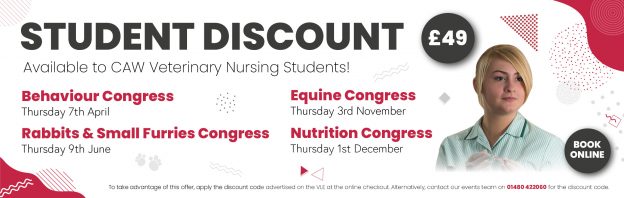
*New* event discounts available to CAW Veterinary Nursing Students

If you’re a student on one of our veterinary nursing programmes, we’re pleased to announce a special discount on some of our congresses! You can now get a ticket to any of these events for just £49…
Our virtual congresses offer an ideal opportunity to explore professional and academic interests in more detail! To take advantage of this offer, simply apply the discount code advertised on the VLE at the online checkout. Alternatively, contact our events team on 01480 422060 for the discount code. 
National Autistic Society Blog Image

Autism Acceptance Week: 28 March – 3 April 2022

Autism is a lifelong disability which affects how people communicate and interact with the world. One in 100 people are on the autism spectrum, which means there are around 700,000 autistic adults and children in the UK today.

How does Autism affect people?

Autism can affect how people communicate with others, and how they deal with sights, sounds and changes in their environment. It can present itself in different ways which means that not all autistic people will experience the same challenges and have the same strengths. 

For some autistic people, routines can be very important to their everyday lives because it relieves the stress of the unknown and make life seem less overwhelming.

Some autistic people will be affected by overstimulation of the senses or sensory overload. Lots of loud noises, which some of us may not even notice, can sometimes be experienced in an entirely different way by an Autistic person.

Watch the short video below from the National Autistic Society.

https://www.youtube.com/watch?v=Lk4qs8jGN4U

Autistic people:

  • May need more time to process questions, requests and instructions
  • May struggle meeting new people
  • May struggle to pick up on unwritten rules
  • May find work environments overwhelming
  • May struggle with small talk and workplace/classmate relationships

Autistic people can have many strengths including:

  • Intense focus
  • Attention to detail
  • A considered and reflective approach
  • Honesty and integrity
  • Creative thinking

How can we help autistic colleagues, classmates, friends and family?

As autistic people will experience things in different ways and have different challenges it is important to find out what help and support a particular person needs. Ideas include:

  • Giving clear instructions and putting important points in writing
  • Not relying on body language or facial expressions to communicate
  • Giving someone who is anxious or agitated space and time to recover
  • Offering to be a buddy for the person at social events

Help and Support at The College of Animal Welfare

If you are a student at The College of Animal Welfare and would like some additional help/support you can contact the Learning Support Team on learningsupport@caw.ac.uk.

Useful links
There are many organisations and charities that provide information, help and advice; a selection can be found below.

Resources for autism – https://resourcesforautism.org.uk/

Animal care volunteers

6 Ways to Inspire and Develop Your Animal Care Volunteers

Whether it be helping to care for the animals, or providing assistance with fundraising, administration and marketing; many animal welfare charities and organisations seek volunteers to support their work and mission.

Nurturing a reliable, loyal animal care volunteer force can be challenging, but is worth the time and effort it takes. If you’re working in an animal shelter or animal charity; take a look at our top tips for keeping volunteer commitment alive:

1. Know what your animal care volunteers want

People volunteer in animal care for all different reasons – to give something back to the community, to meet new people, to gain new skills and experience, to work with animals or simply for enjoyment and personal satisfaction. Make sure you know what they are looking to get out of volunteering, so that you can shape their experience with this in mind.

2. Provide challenges and opportunities for development

Volunteers aren’t there to just do the menial tasks your paid staff don’t want to do. Most volunteers will want to maximize the contribution they can make to your organisation and be given the opportunity to develop skills and gain new experiences.

It’s important for you to recognise when volunteers can take on new responsibilities, or create opportunities for them to take on leadership roles if they wish. You can also encourage and support your volunteers in undertaking animal care courses to help them build more confidence and skills, such as an animal care diploma.

You could even consider taking on your most loyal and promising volunteers as apprentices, if the budget is available. Apprenticeships can be a cost effective way of expanding your numbers of paid staff, so it is worth exploring what animal care apprenticeships are all about and discover the benefits they could bring to your organisation.

3. Create a welcoming workplace

Keep in mind that many people volunteer because of the opportunities for social interaction, and all volunteers want to feel welcome. Make sure you create opportunities for volunteers to interact and get to know paid staff, visitors and other volunteers. This way, you will ensure volunteers feel connected to your organisation and part of something bigger!

4. Prioritise communication

When it comes to animal care volunteer coordination and development, good communication counts. Make sure you have an open door policy for any questions or concerns your volunteers may have. You should also be easily contactable in the event of an emergency. It might also be useful to have one-to-one catch ups with your volunteers, to ensure they are happy in their role and that they understand what they need to do and the opportunities of progression that are open to them will also be useful. You can also improve your communication skills as a manager by undertaking a formal leadership and management qualification.

5. Recognise and celebrate achievement

Praise and recognition plays a huge part in keeping animal care volunteers feeling motivated. Don’t underestimate how much a small little gesture of gratitude, such as sending a thank you card, can make someone feel valued.

6. Be accommodating

Ultimately, your animal care volunteers are giving up their free time in order to help you. Many will have busy lives outside of their volunteer work, so it pays to be as flexible where possible. For example, being understanding when they need to take time off or are unable to work their usual routine. 

Further reading

Rabbits and Small Furries Congress 9 June 2022 Blog Image

Calling all ‘rabbit and small furry’ veterinary nurse enthusiasts!

Our very first Rabbits and Small Furries Congress is coming to your screens on Thursday 9 June! 

New for 2022, this congress is a one-day virtual event that explores the care of rabbits and small furries in veterinary practice. You will earn seven hours of CPD and listen to lectures by our expert speakers, who will be sharing their knowledge and expertise on:

  • Rabbits as Prey and Humans as Predators: The Dichotomy of Interacting and Living Together
  • Making a Rabbit Friendly Practice
  • Holistic Rabbit Anaesthesia – It’s more than just the drugs
  • Nursing the Small and Mighty Rodents
  • Developing a Nursing Plan for Small Mammals and Exotics

Download the agenda here 

Why attend Rabbits and Small Furries Congress?

Perfect for veterinary nurses looking to develop their knowledge and understanding of rabbits and small furries, you will:

  • Listen to lectures from a range of speakers who will be sharing their experiences and knowledge
  • Have the opportunity to ask questions to the speakers during the live Q&A sessions
  • Gain practical takeaways that you can implement in your practice
  • Earn seven hours of evidenced CPD
  • Gain online access to recordings of all the lectures and lectures from previous congresses up until the next event

Book before 15 April 2022 for the Early Bird rate!

If you book a place before 15 April 2022, you can take advantage of our early bird discount and attend congress for just £125+VAT – saving £60! And if you are a current veterinary nursing student at The College of Animal Welfare you can book a place for just £49 by using the discount code at the online checkout that is advertised on your course page on the VLE.

Remember – if you would like to attend but can’t make it on the day, you can still register for the event and you will be sent the recording after so you can watch it back at your own leisure!

Book a place online here.

Neurodiversity Celebration Blog Image

Neurodiversity Celebration Week #NeurodiversityCelebrationWeek

“We should celebrate neurodiversity – the world would be poorer and life duller if we were all the same.” Neil Milliken

Did you know that this week (21-27 March 2022) is Neurodiversity Celebration Week? A week-long event designed to help people learn more about neurodiversity, and for neurodiverse students to develop a more positive perception of their own unique neurodiverse traits and skills.

What is neurodiversity?

Neurodiversity is the concept that everyone varies in their cognitive functioning which can lead to differences in thinking, attention and memory. We all have things that we struggle with and things we excel at, however for neurodiverse people these strengths and weaknesses are more pronounced meaning they find some things very easy, and other things incredibly hard. Neurodiverse individuals can have any one (or even a combination) of many different conditions that fall under the neurodiversity umbrella, such as:

Without support, these conditions can be disabling, but when provided with the right environment a person’s strengths and talents can shine through and even give a competitive advantage over others. Through raising awareness, making adaptations and providing support we can reduce societal stigma and help people to flourish.

What is the College doing during Neurodiversity Celebration Week?

From Tuesday to Friday we are holding lunchtime online drop in sessions from 12pm-1pm on various neurodiversity conditions:

  • Tuesday 22 March: Dyslexia
  • Wednesday 23 March: ADHD
  • Thursday 24 March: Autism
  • Friday 25 March: Anxiety and OCD

The link to the live online sessions can be found by visiting the VLE, clicking on the Student Information tab, and then following the ‘CAW Live’ link at the top of the page. Everyone is welcome to join in the discussion!

How can you get further help?

If you are a student at The College of Animal Welfare you can contact the Learning Support Team on learningsupport@caw.ac.uk.

If you do not have a diagnosed condition but suspect that you may have, you can make an appointment to see your GP to discuss this further. For those students who are suspicious that they may have Dyslexia, you contact the College’s Learning Support Team on the details above and they can arrange a screening for you.

Useful links
There are many organisations and charities that provide information, help and advice; a selection can be found below.

University Mental Health Day

University Mental Health Day #UniMentalHealthDay

Did you know that Thursday 14 March 2024 is University Mental Health Day? A day, created by the UK’s Student Mental Health Charity – Student Minds and the University Mental Health Advisors Network (UMHAN), that brings together the university community to raise awareness of student mental health, reduce stigma and create ongoing change.

Work to raise awareness of mental health problems and reduce the stigma is ongoing, but still half of those affected say that the isolation and shame is worse than the condition itself. This has to stop.

How can you keep mentally well?

Diet

Eat a healthy, well-balanced, diet with plenty of fruit and vegetables. Eat at regular times and drink plenty of water. Limit high caffeine or sugary drinks and avoid too much alcohol consumption. Mind have put together a very helpful video on how to manage your mood with food.

Sleep

Sleep is really important. A lack of sleep can cause us to feel depressed, anxious and less able to think rationally and cope with everyday things. Below are some tips for getting a good night’s sleep:

  • Set a bedtime routine – try to go to bed and get up at the same time each day
  • Relax before bedtime – listen to relaxing music, have a bath, meditate
  • Get comfy – usually dark, quiet and cool is best but this depends on the individual
  • Give yourself some tech free time

Physical activity

Studies show that there’s approximately a 20% – 30% lower risk of depression for adults participating in daily physical activity1. Physical activity can help in a number of ways: it releases endorphins (feel good hormones) that can help calm anxiety and lift your mood, can help you to sleep better, can produce a sense of calm, and can increase your self esteem and give you a sense of achievement.

Relationships

Having positive, supportive relationships with people raises our self-esteem, makes us feel more confident and helps us to cope with any difficulties we may face. It also gives us someone to talk things through with, but also lets us help others which makes us feel good about ourselves.

Hobbies and interests

It is really important that we do things that we enjoy such as walking, cooking, amateur dramatics etc. Doing these things can improve our confidence, give us things to talk about and can help us meet people and make friends. Learning something new can also give us a sense of achievement. Sometimes moving away from home to university can make this difficult as we may have moved away from a club or group that we used to be part of; if this is the case take some time to look up groups in your new area – either the internet or local social media pages are good sources of information on groups you can join and activities you can partake in.

Set yourself a challenge

Setting yourself a challenge and achieving your goals can help you feel accomplished and boost your self-confidence and self-esteem. It doesn’t matter if your challenge is to walk around the block or to climb a mountain; what matters is that it stretches you and you achieve something out of the ordinary.

Practice Mindfulness

Mindfulness is a type of meditation where we focus our attention on the present moment; becoming aware of our thoughts and feelings and the world around us. As we learn to be aware of our thoughts we can start to identify when they are not being helpful and can begin to challenge them and take back control.

Download the FIKA App

If you are a student at The College of Animal Welfare, you will get free access to the FIKA app, so make sure you have downloaded it. FIKA provides mental skills courses, daily videos and a vibrant online community to boost your resilience and increase your mental fitness.

If you are a student at The College of Animal Welfare – don’t forget to visit the living well page on the VLE for more help and advice.

What should you do if you are struggling?

If you are struggling, please do not suffer in silence, help is available and the sooner you address your feelings the quicker you can get back to a better place. For some of us, we may be feeling a little low and with a few adjustments (based on the suggestions above for keeping mentally well) we can quickly start to see improvements. For others, our struggles may be more severe and professional help may be needed; speaking to your GP is always a good start as they can refer you to sources of help as needed. Other suggestions can be found below.

Coping strategies

Sometimes we may find ourselves in an acute state of anxiety or feeling very low in mood. In these situations it is helpful to have a few key coping strategies that can help keep you safe and get you through the peak of the situation. What works for one person may not work for another so it is important to know what is best for you – it is helpful to write a list down to you have it to hand if needed. Examples of coping/soothing strategies that can help include having a long bath, wrapping yourself in a fluffy or weighted blanket, watch your favourite film or TV series, listen to a podcast, colouring in an adult colouring book, practice mindfulness and meditation, go for a walk.

Help available at The College of Animal Welfare

If you are a student at the College, there are several sources of support internally. We offer a free counselling service for students, and have a dedicated Mental Health Lead and Safeguarding team who you can turn to for help and support; details of these can be found on the Living Well/Mental Wellbeing section of the VLE.

Help in a crisis

The Samaritans are open 245 hours a day, 365 days per year, you can call them on 116123. If you are worried about the imminent safety of yourself or someone else you should call 999 for help.

Useful links

There are many organisations and charities that provide information, help and advice; a selection can be found below.

  • Student Minds– The UK’s student mental health charity
  • Staying Safe– a potentially life-saving resource to keep people safe from thoughts of harm and suicide.
  • Anxiety UK– a charity providing support for those with an anxiety condition.
  • CALM– Campaign Against Living Miserably, for men aged 15 – 35.
  • Papyrus– young suicide prevention society.
  • BEAT Eating disorders– support and advice for those living with an eating disorder.

What to do if you are concerned about a fellow student?

If you are worried about a fellow student you should contact the College’s Mental Health Lead or, in their absence, a member of the learning support team or a safeguarding officer. Details of these can be found on the College’s VLE.

Signs you may notice in a classmate that may indicate they might be struggling or unsafe include anything that is out of character, such as being withdrawn, irritable, not responding to messages, missing lessons or deadlines, or someone who seems particularly agitated and wired.

Together we are stronger, together we can make a difference this #UniMentalHealthDay.

  1. Department of Health PA, Health Improvement and Protection (2011). Start Active, Stay Active: A report on physical activity from the four home countries’ Chief Medical Officers. London: Department of Health.
5 Ways to Share Your Skills as a Veterinary Nurse

5 Ways to Share Your Skills as a Veterinary Nurse

Whether you’re an expert at wound management, extra knowledgeable about animal nutrition, or love learning about feline nursing, as a veterinary nurse you may have skills and knowledge you take particular pride in. Why not share it with others?

Sharing your professional skills as a veterinary nurse is a fantastic opportunity to make connections with other nurses, develop your professional practice, and channel a sense of fulfilment by sharing something that is important to you and inspiring to others. Sharing your veterinary nursing skills also allows you focus more on your professional passions, and reflect on the areas you may wish to build on.

As they say, sharing is caring – and you may just pick up some new skills and boost your career prospects along the way! Here, we go through five ways you can spread your knowledge and share your skills with others:

1. Skill swap with other veterinary nurses

Skill sharing is when you provide someone with help, and then go to them for support in return. Every veterinary nurse will have their own particular strengths and skills, so it’s worth networking with other nurses and coming together to learn from each other. Sharing ideas and knowledge with fellow nurses can be a great way to make use of each other’s professional strengths and interests, to enhance your existing skills or learn new ones.

It may be you find a member of your team nurse has a keen interest in exotic species, or knows a lot about how to treat diabetic patients. If a fellow nurse is a fountain of knowledge on a specific subject, it is worth arranging a time to sit down to exchange ideas and pick each other’s brains.  

It can also be helpful to attend CPD with members of your team with shared professional interests, so you can discuss what was covered in the session together.

2. Take to a blog, vlog or social media

When you want to learn something new, where is the first place you go? In the digital world, it is likely you take to Google to find educational websites or videos about the topic. So, if you’re passionate about a specific area of veterinary nursing, have you considered starting your own website, blog or vlog where you document your knowledge and experiences?

Social media is also a brilliant platform for skill sharing, and can put you in touch with those who have similar interests – you can share skills and make connections in nursing forums such as VetNurse or social media groups like Vet Nurse Chatter, or even start your own community! If you’re looking for some inspiration to get started, take a look at some of the amazing veterinary nurses sharing knowledge online, such as Lou the Vet Nurse, Alex the Cat Nurse, Scales, Feathers and Tails VN, The Rodent Nurse and many more!

3. Pass on your knowledge in a teaching role or by speaking at events

Teaching is a wonderful way to share your skills and knowledge with other nurses, or help student veterinary nurses to gain their formal qualifications. Plus, it’s another way to make an income from your passion.

It may be worth seeking out opportunities to share your skills in a teaching capacity, whether this is by leading on a nursing consultation or teaching on a Continuing Professional Development (CPD) course or veterinary nursing programme. Not only will this allow you to share your skills, but it could also help you get a feel for how you take to teaching, if this something you have considered as a career path in the past. You can find out more about becoming a veterinary nursing lecturer here. Sharing your skills via teaching could also give you the opportunity to undertake further training. For example, some Veterinary nurses pursuing teaching roles who do not hold a degree may look to ‘top up’ their diploma to degree level by undertaking the BSc Honours Veterinary Nursing Top Up Programme.

Another way to share your experiences is by speaking to local community groups, or attending career fairs such as Careers With Animals Day, to educate the public about your work and the veterinary nursing profession as a whole!

4. Become a clinical coach

Supporting a student veterinary nurse through their formal training can be a great way to pass on your expertise. Explaining concepts, demonstrating practical skills and answering questions from a student in practice can help you review and improve your clinical skills, as well as identify any weak spots in your own professional practice you may wish to return to.

Often, it’s not just the student who learns something new during the training process. Your mentoring can expose you to new ideas and ways of thinking that will aid your personal and professional growth. You could also undertake further training by attending congresses such as Clinical Coach Congress, or even study professional coaching and mentoring qualifications to develop new coaching and mentoring skills to share with other clinical coaches. Find out more about becoming a Clinical Coach

5. Volunteer at home or abroad

There are veterinary organisations all over the world in need of qualified VNs to volunteer their nursing skills! Volunteering can be a good opportunity to travel whilst gaining valuable new experiences, nurturing professional skills and helping animals in amazing places.

Depending on what organisation you choose to volunteer for, your experience may allow you to teach others, apply your expertise to unusual cases, deal with less common species or gain additional knowledge to take back home and share with others. For example, one of our former students, Carly, has made several visits to Tasikoki Wildlife Rescue Centre in Indonesia since qualifying as a veterinary nurse with us in 2019, to volunteer and learn more about exotic wildlife – you can read more about Carly’s experiences here.

Internet

Safer Internet Day – All fun and games? Exploring respect and relationships online

Safer Internet Day 2022 is on 8th February. This year, the theme is ‘All fun and games? Exploring respect and relationships online’.

The college would like to take this day as an opportunity to take a moment to consider the importance of maintaining professional boundaries both in your professional and personal online presence, keeping your online reputation in tip top condition in addition to some more general online safety topics and best practices.

Use your social media algorithms to avoid doom scrolling and share pro social content

It doesn’t take long for your social media page to get to know you and understand what kind of content you like – you can use this to your advantage! You have the power to get content that sparks your interests delivered directly to your feed. Then you can pay it forward by sharing your findings with your community, fulfilling a sense of purpose in raising awareness about topics which are important to you and others may be grateful to receive.

Obviously, we are not suggesting you totally spam every single one of your online pal’s inboxes, just if you stumble upon content that may interest them and ignite their curiosity, do a little sharing to raise.  In addition to this, light and cheery content can lift people’s moods. Social media, as we all know has its downfalls, but used correctly you can create a positive, safe space to interact with those who matter most to you.

Do the vibe check before you get involved

Try to avoid heavy debates online that feel like they will not have a valuable outcome. Comments can often be misinterpreted and they can become quite damaging if they escalate and the crowd in the discussion are unpleasant.

That said, it is important to have your own values and opinions and are free to explore these (provided they are not from a place of bad intentions). You may see discussions you feel strongly about and want to have an input, but you can see it might go badly. In these instances, to save yourself from getting into a stressful situation, perhaps try to look for more discussions or content surrounding this topic that sits better with your own views to avoid getting dragged into any unpleasant online interactions.

If you have something you want to discuss at depth, speak with someone you know and respect. It is far better an investment to have valuable conversations to build relationships with people who matter to you opposed to strangers online.   

Kindness is crucial

Being a kind and supportive person is incredibly valuable for our online reputation, we cannot stress enough how important it is to not be mean online!

Any form of bullying will be investigated and may result in disciplinary action form a college point of view. Students on professionally regulated programmes need to be aware of both the criminal implications and regulatory implications of misuse of social media and cyberbullying.

We all have rights and responsibilities in relation to cyber-bullying and should work positively together to create an environment in which you can learn and develop whilst having fulfilling careers free from harassment and bullying.

Online hate is also an area we can intervene to create safer spaces online, if you see inappropriate material or online hate, it is important we take action, report it or flag it so the moderators have to go in and check the content out. 

Share with care!

Be aware that your reputation could be harmed not only by what you share online, but what others share about you, such as friends tagging you in inappropriate posts, photographs, or videos. Ensure your privacy settings are set in a way that you need to approve any content you are tagged in prior to it appearing on your socials. Be aware that your social media friends may also be friends with fellow students, colleagues or family members and therefore they could read your posts if you do not have appropriate privacy settings.

As part of our Privacy Policy, students are not permitted take screen shots during any online session or learning activity. You need permission to take pictures of someone, so it is safest if you continue to adopt this policy in other professional online activity. Be cautious when sharing your screen online, ensure any private/personal information or documents are not shared by mistake.

Appropriate material

Don’t post or share (even privately) inappropriate or offensive material on your social media platforms or with anyone from your college or workplace. Online communication can appear to come with a false sense of anonymity that doesn’t exist when you are talking to someone face to face. Ask yourself, would you share this in person in a professional capacity?

Revenge Porn

Revenge Porn is the illegal act of sharing of private, sexual materials, either photos or videos, of another person, without their consent and with the purpose of causing distress.

The offence applies both online and offline and to images which are shared electronically or in a more traditional way so includes the uploading of images on the internet, sharing by text and e-mail, or showing someone a physical or electronic image. If you are concerned over revenge porn or would like to find out more, information or support can be found here.

Netiquette

The rules of etiquette are just as important in the virtual world as they are in the real world. It is important to recognise that poor netiquette can stick around to haunt you. We have collated some basic rules of netiquette to avoid damaging your reputation along with jeopardising your online and offline relationships. Click here to view our Netiquette Guidance.

If you are being bullied online?

If you are ever bullied online please:

  • Do not respond or retaliate to any cyber-bullying incidents. You should report incidents appropriately and seek support from your line manager or a member of College staff.
  • Save evidence of the abuse; take screen prints of messages or web pages and record the time and date.
  • If the perpetrator is known to be a current student or colleague, the majority of cases will be dealt with through their online policies and procedures.
  • The matter may involve reporting the matter to the relevant social networking site if it breaches their terms, seeking guidance from the local authority, legal advisers and involving law enforcement agencies.
  • If the comments are threatening or abusive, discriminatory, of a sexual nature or are likely to constitute a hate crime, then you or the College may contact the police. Online harassment is a crime and will be treated as such.

General safe practice points to note

  • Consider your own conduct online.  Certain behaviour could breach your contract of employment or your professional body regulations and lead to disciplinary action.
  • Only discuss certain issues with your close family, friends and colleagues, as you could become a target if you do not have appropriate security and privacy settings in place.
  • Use your College email address for college business and your personal email address for your private life; do not mix the two.
  • If you are a student, staff member or employer here at the College you can gain access to our free online safety training on our VLE (virtual learning environment) here.
  • Further information surrounding e safety at college can be found
Head Nurse Congress 2022

Head Nurse Congress 2022 opens for bookings

Save the date because Head Nurse Congress is back on Thursday 5th May 2022, and tickets are on sale now! 

Head Nurse Congress is aimed at aspiring, new and experienced head veterinary nurses and practice managers. 

During this *virtual* event you’ll get the opportunity to listen to a range of talks from expert speakers and gain 8 hours of evidenced CPD, all from the comfort of home. This year’s programme highlights include: 

  • Anne-Marie Svendsen Aylott MRCVS from PurpleCat Coaching Ltd. starting congress with a talk all about emotional intelligence skills, explaining how to support yourself and others in trying times
  • Gemma Barmby BVetMed MRCVS from Vet Dynamics discussing how to juggle your managerial and clinical workloads
  • Jessica May MRCVS and Silvia Janska MRCVS from Flexee answering the questions everyone is asking about flexible working
  • Claire Hodgson BVetMed CertAVP MRCVS from British Veterinary Chronic Illness Support (BVCIS) delivering a presentation about how to support the return to work journey
  • Chris White BSc (Hons), MBA, Assoc CIPD from the Veterinary Management Group & Pets At Home Veterinary Group, speaking about how to embrace change
  • Dr Libby Kemkaran-Thompson MA VetMB MRCVS from Kemkaran Consulting Ltd discussing confidence for leadership, looking at how to trust and inspire

Book Head Nurse Congress before 11 March 2022 for an early bird discount

Delegates who book their place before 11 March 2022 can attend congress for the early bird price of £125+VAT – saving £60. A full event agenda, and further details about how to book, can be found on our website or by calling 01480 422060.

View the agenda and book your place today

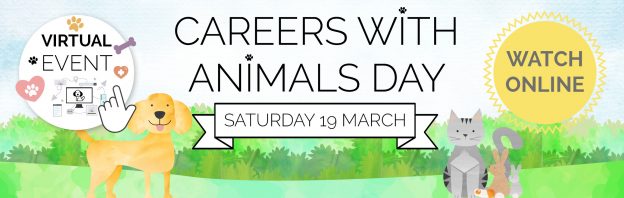
Virtual Careers With Animals Day

Virtual Careers With Animals Day is back this March!

Join us for our next Virtual Careers With Animals Day on Saturday 19th March 2022! 

If you’re looking for guidance about career and training options in the animal care and veterinary industry, then Careers With Animals Day is the perfect place to start! During this FREE, online event you’ll be able to listen to career talks from a range of fantastic industry organisations, ask questions and gain advice in real time. This event will be particularly useful if you’re interested in job and career opportunities working with animals in the South of England. 
 
Watch the event live, and come away with lots of inspiration and guidance to help you start a career working with animals! Speakers so far include professionals from The Royal Veterinary College (RVC), Wood Green, The Animals Charity, National Horseracing College, Cromwell Vets and the British Divers Marine Life Rescue – with more to be announced! 
 
Whether you’re a school leaver working out what your next move is going to be, an adult looking for a career change, or unemployed and eager to get back to work – everyone is welcome. The event will run virtually on Saturday 19th March 2022, from 9am until 3:30pm and entry is completely free of charge. A link to attendance will be released in the coming weeks and can be accessed via our website.